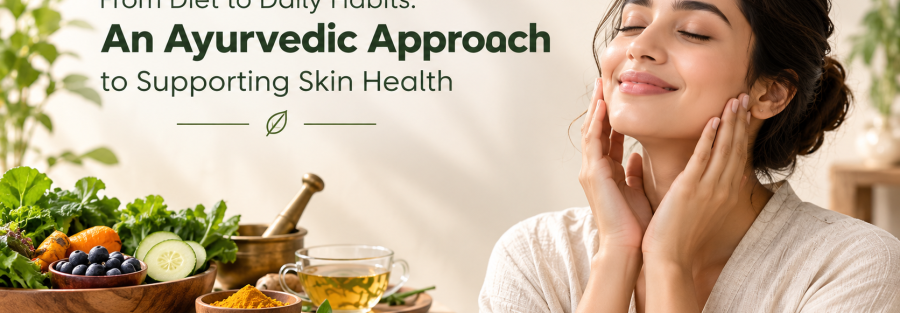
The skin is not a separate part of the body, but a very important organ and treating it with appropriate cream or serum is good. But this is not enough, according to Ayurveda. This is because skin reflects all that you eat, and even your thoughts, and lifestyle also matters. If you are looking into different ways in which you can rejuvenate your skin and considering Ayurvedic skin treatment, this blog would help you. Ayurveda believes that focusing on the external aspect of skin beauty makes it too restricted because skin health comes from deep within.
Why Ayurveda Looks Beyond Skincare When Understanding Skin Health
In Ayurveda, the three doshas dictate your skin health – Vata, Pitta and Kapha. These doshas affect your body differently. Vata dosha causes while Pitta dosha is more about body heat, skin sensitivity and inflammation or acne. If the Kapha dosha is high you will have excess skin oiliness. Taking a generic approach to correcting skin issues may provide a temporary solution only. To find a permanent solution, Ayurveda believes in understanding the underlying causes of each issue first. The physicians will then treat that issue, correct the imbalance and provide a lasting solution. Your problems will not be solved overnight, but the effects will be more long-lasting. Also, remember, Ayurveda will not work for everyone!
Your Diet And How It Can Influence the Condition and Appearance of Your Skin
Diet plays an important role in skin health because what you eat can affect the health and look of your skin. According to Ayurveda, skin is nourished by a nutrient fluid known as rasa dhatu which is formed during digestion. This fluid is responsible for nourishing and hydrating your skin. This is why both diet and metabolism affect how your skin looks and feels over time. That’s why an ayurvedic skin care routine is not always about skin care products, but nutrition too.
Everyday Foods and Eating Habits That Can Support Healthy-Looking Skin
It is very easy to follow the foods and eating habits that Ayurveda believes is good for your skin:
- Include ghee in your meals
- Include mung beans
- Add more leafy greens to your diet
- Including turmeric and fenugreek would help
- Try eating more , pomegranate
- Avoid too much sour, fermented or overly processed food, especially if you have already sensitive or inflamed skin.
You don’t have to totally give up on anything you love, just reducing and tracking them would be good.
The Connection Between Digestion and Skin Health in Ayurveda
According to Ayurveda, poor skin health is because of poor digestion. So it is important to have a healthy digestion where the nutrients will break down properly and waste is eliminated well. Ayurveda treatments are targeted towards regulating Agni, which is actually digestive fire. When this fire is slow, the skin will look dull and congested (not clear). This could probably be because the nutrient fluid nourishing the skin is not being produced quite as well.
How Hydration and Daily Fluid Intake Fit Into an Ayurvedic Skin Care Routine
Hydration is important to have excellent skin health. That is why it is important to note your fluid intake, no matter how busy you are. In Ayurveda, daily fluid intake and hydration are crucial components of an effective skin care routine.
In Ayurvedic medicine, it is standard practice to drink warm water throughout the day in small sips instead of drinking it in bulk all at once. This is how it helps in digestion and skin hydration.
How Sleep, Stress, and Daily Routines Can Affect Your Skin
Poor sleep and a stressed mind can disrupt body balance. This can manifest on the skin as problems and even affect your digestion. So to align with the treatments in skin care and to make sure that it is effective, you can practice yoga, meditation and follow a regular daily routine.
The Role of Natural Oils, Herbal Preparations, and Gentle Skin Care Practices
Ayurvedic skin treatment procedures also involve using natural oils and herbal remedies. The treatment includes Abhyanga, which is usually done with oils like sesame or coconut oil, depending on each person’s skin type and dosha. For home treatments, you can consider using Ayurvedic skincare with neem and turmeric. These are noted for their soothing and purifying effects. A combination of chickpea flour with rosewater or turmeric are also used for cleansing the skin.
How Ayurvedic Skin Treatments Can Complement Healthy Lifestyle Habits
Ayurvedic skin therapy will work to their optimal capacity when you embrace a healthy lifestyle. So when you do the treatments at the clinic, you can follow the advice of the physician because that’s how you will get the full effect of the treatment.
When to Consider Professional Ayurvedic Skin Care for Persistent Skin Concerns
If skin issues are becoming more frequent or more severe, then you can visit an Ayurveda clinic to know what skincare treatments they can provide. The Ayurveda physician will consider your dosha balance, digestion and lifestyle before proceeding with the treatment modules. Perhaps treatment at a deeper level will be the right solution to persistent skin concerns.
How Ayursana Personalises Skin Care Based on Individual Needs
Our approach to skin treatment is one of the reasons people visit us. We always understand the patient by having a deep personal consultation – dosha balance, diet, digestion and daily routine. Whether it is an ongoing skin issue or a skin issue that recently developed, you will find more success with our Ayurvedic skin treatment clinic in Ajman than elsewhere.
Conclusion
Your skin health is deeply influenced by your digestive system, sleep patterns, stress levels and lifestyle choices. Subtle changes in these factors are likely to cause skin issues. If you want a personalized perspective on exactly what your skin may be telling you, reach out to Ayursana and we’re more than ready to help you.